



image: studio tdes | CC BY
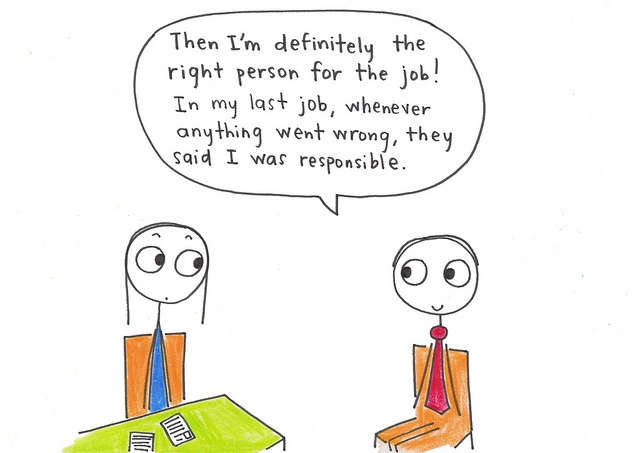
Bad interviews happen in a number of ways. The candidate may be rude, crass, lazy, late, disinterested, over-aggressive, under-dressed, or maybe they didn’t show up at all. These things happen. Even if it may have been one of your top candidates before the interview, things change. You, as a hiring manager, need to be prepared.
So how do you handle a bad interview?
In short, you move on. The entire purpose of having a hiring process is that you have the ability to continue running and re-running that process. You’ve been screening and interviewing candidates through a few steps of your process by this point, so you ought to have more than just one candidate coming in for interview. Now that one has essentially removed themselves, you can focus on more candidates who deserve a shot. Continue filling the earlier part of your hiring funnel, either through advertising more and getting more candidates, or putting more candidates through to the phone screening and interviewing stages.
We at NewHire like to refer to a bad interview as a bullet dodged. Whether you’re finding out that a candidate is a poor fit professionally or personally, or perhaps that person is a complete lunatic, it’s better to find out before you’ve actually brought them on as an employee. The only thing you’ve lost with a bad interview is the time you took to get them there, and if you’re using an efficient screening model, that shouldn’t be much. Better to waste an hour’s interview than a month’s salary.
One of the hidden upsides of a bad interview is that it makes the rest of your candidates look great. It might sound silly, but your good job-seekers appreciate the bad job-seekers simply for sake of comparison. Placing a series of overweight mixed-breeds in the Westminster Dog Show would highlight the purebred dogs the same way a lazy, disinterested candidate will make an enthusiastic job-seeker look great.
Everyone is going to handle a bad interview differently, but the best thing you can do is shake it off. If you harp on something that went wrong, it’s easy to carry that frustration into the next interview or project it onto someone else. If you can shrug your shoulders, chalk it up as a learning experience, and move on, then you’re ahead of an awful lot of your competitors. And if nothing else, you might get a good story out of it.